Future of Waste Paper Recycling in India
The demand for sustainable business practices has never been greater, and paper recycling stands at the forefront of this green revolution. With India’s growing corporate, educational, and government sectors generating massive amounts of paper waste every day, the focus is shifting toward smarter recycling solutions. Companies that once viewed waste disposal as an afterthought now see it as an opportunity to contribute to environmental conservation, meet compliance norms, and even save costs.
In this blog, we explore the Future of Waste Paper Recycling in India, highlighting the latest technologies, government policies, and market trends that businesses must understand to stay ahead.
1. Rising Importance of Paper Recycling in India
India is among the top paper-consuming countries in the world, with industries like education, banking, retail, and government offices being major contributors to bulk paper waste. Traditionally, much of this waste would either end up in landfills or be incinerated, causing environmental harm.
However, with increasing awareness about climate change, sustainable resource management, and circular economy practices, waste paper recycling has emerged as a critical business need. Organizations now recognize that recycling is not just about waste disposal but also about reducing carbon footprints, saving trees, and cutting operational costs.
2. Latest Technologies Driving the Future of Paper Recycling
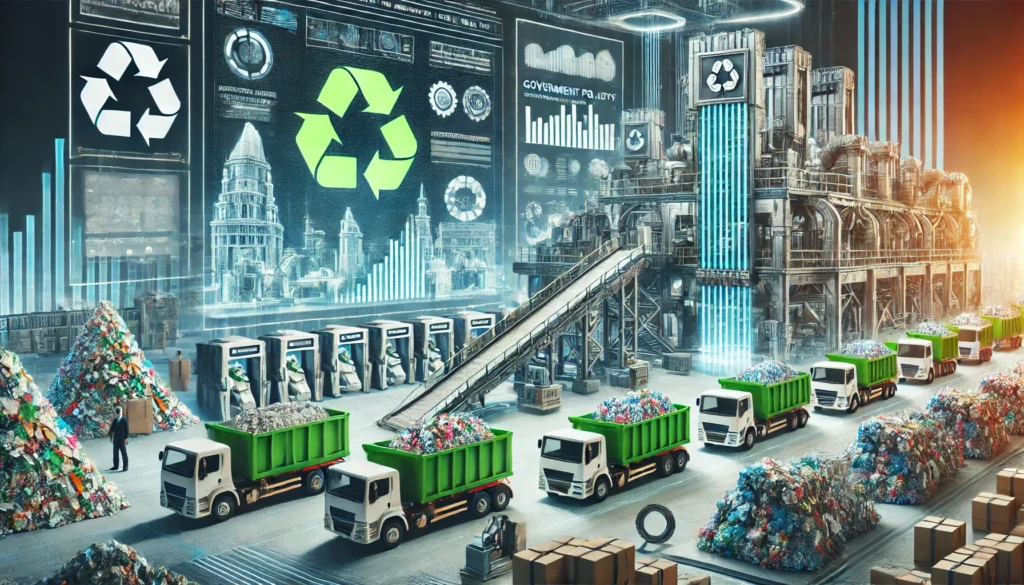
Technological advancements are transforming how waste paper is collected, processed, and recycled. Businesses are now benefiting from more efficient and eco-friendly recycling methods:
- AI-Powered Sorting Systems: Advanced machines powered by AI and robotics are improving the sorting of mixed paper waste, ensuring higher quality output for recycling mills.
- De-Inking Technology: Innovative chemical-free processes are helping remove inks and coatings, making recycled paper suitable for premium-quality uses like packaging and office paper.
- Energy-Efficient Pulping: Modern recycling plants are adopting pulping techniques that consume less energy and water, making recycling more cost-effective and sustainable.
- Digital Tracking Systems: Some companies are now using blockchain and digital platforms to track waste paper from collection to recycling, ensuring complete transparency.
These technologies promise that the future of waste paper recycling in India will be more reliable, secure, and eco-friendly than ever before.
3. Government Policies Boosting Recycling Initiatives
The Indian government has introduced several policies and guidelines that encourage businesses to recycle waste responsibly. These include:
- Extended Producer Responsibility (EPR): Companies producing paper-based packaging and products are now mandated to ensure proper recycling of post-consumer waste.
- Swachh Bharat Mission and Green India Initiatives: National campaigns emphasize reducing landfill waste and promoting recycling across industries.
- State-Level Incentives: Many states offer benefits to industries and organizations that adopt eco-friendly disposal and recycling practices.
- Ban on Single-Use Plastics: As plastic bans tighten, the demand for recycled paper packaging is rising, creating more opportunities for businesses that recycle bulk waste paper.
For companies, this means that partnering with bulk waste paper buyers is not just a cost-saving strategy but also a step toward compliance with government sustainability targets.
4. Market Trends Shaping the Recycling Industry
The future of waste paper recycling in India is closely tied to market trends that businesses must be aware of:
- Growing Demand for Recycled Packaging: With e-commerce and FMCG sectors booming, recycled cardboard and kraft paper are in high demand.
- Corporate ESG Commitments: Companies are aligning recycling practices with Environmental, Social, and Governance (ESG) goals to attract global investors and clients.
- Circular Economy Adoption: Businesses are moving toward closed-loop systems where waste paper is continuously recycled into new products.
- Rising Collaboration with Bulk Buyers: More organizations are forming partnerships with trusted waste paper buyers for secure disposal and steady recycling solutions.
5. Why Businesses Must Act Now
For companies in Delhi NCR and across India, the shift toward sustainable recycling is no longer optional—it’s a necessity. Bulk paper waste buyers like SRC Enterprises offer not only the best prices but also provide secure disposal, pulping certificates, and eco-friendly solutions.
By acting now, businesses can:
- Free up valuable storage space.
- Reduce operational costs.
- Strengthen their green credentials.
- Ensure compliance with government regulations.
- Contribute to a cleaner and greener future.
Conclusion
The Future of Waste Paper Recycling in India is bright, driven by advanced technologies, supportive government policies, and a growing awareness of sustainability among businesses. As companies generate more paper waste than ever, the choice is clear: partner with trusted bulk waste paper buyers to ensure responsible, secure, and eco-friendly recycling.
At SRC Enterprises, we help organizations across Delhi NCR turn their paper waste into an opportunity—saving costs, protecting data, and building a greener future.